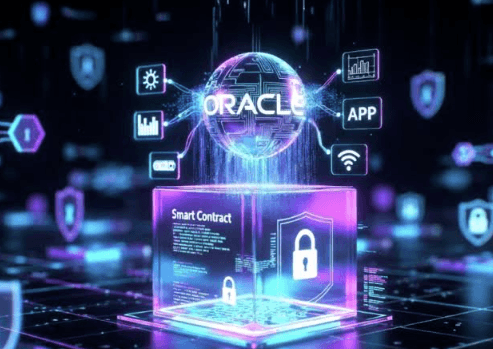

Blockchain oracles serve as trusted conduits between off-chain data and on-chain smart contracts. They fetch validated inputs from verifiable sources, convert them into tamper-resistant signals, and deliver them with low latency. Architectures vary from centralized to decentralized and hybrid, each with trade-offs in trust, throughput, and resilience. Evaluation relies on data standards, proofs, and incentive structures. The practical implications for governance and interoperability are substantial, leaving questions about provenance and assurance that demand careful scrutiny.
What Are Blockchain Oracles and Why They Matter
Blockchain oracles are middleware that securely supply external data to on-chain smart contracts, enabling programs to react to real-world events without leaving the blockchain ecosystem. They translate off-chain inputs into verifiable, tamper-resistant signals, supporting autonomous outcomes. This mechanism raises privacy concerns and interacts with data licensing, influencing governance, compliance, and trust. The result is scalable, programmable interoperability between ecosystems and verifiable truth.
How Oracles Deliver Real-World Data On-Chain
Oracles operate as trusted conduits that translate external data into on-chain signals in a verifiable, tamper-resistant form. Data is retrieved from verified sources, validated, and packaged for smart contracts. Delivery latency is minimized through parallel validation and streaming techniques, enabling near-real-time reactions. Clear data provenance ensures auditability, reproducibility, and accountability across ecosystems, supporting scalable, freedom-oriented decentralized applications.
See also: Generative AI vs Traditional AI: What Is the Difference?
Centralized, Decentralized, and Hybrid Oracle Architectures: Pros, Cons, and When to Use
Centralized, decentralized, and hybrid oracle architectures each embody distinct trade-offs between reliability, security, and speed; when choosing among them, practitioners weigh control, trust assumptions, and redundancy against cost and latency.
In blockchain governance contexts, this choice shapes oracle market dynamics, influences risk exposure, and guides governance incentives.
Decentralized models favor resilience, while centralized systems optimize efficiency; hybrids balance trade-offs for scalable ecosystems.
How to Evaluate Oracles: Data Standards, Proofs, and Incentives
Evaluating oracles hinges on three pillars: data standards, proofs, and incentives. The evaluation process benchmarks data standards for interoperability, latency, and accuracy; proofs validate authenticity and tamper resistance; incentives align actors toward reliable delivery and penalize failure.
Consider architectures: centralized architectures risk single points of failure, hybrid architectures balance control and redundancy, enabling resilient, scalable oracle networks.
Conclusion
In the grand ledger of trust, an oracle acts as a seasoned courier between land and chain. It tethers reality to code, delivering sworn tokens of data with proofs and provenance. Centralized garrisons offer speed; decentralized guilds offer resilience; hybrids balance both. As data standards and incentives align, these guardians scale from rumor to record, enabling automated dawns of trustless contracts. Ultimately, oracles translate the world’s signals into programmable, auditable action.