John A

John A

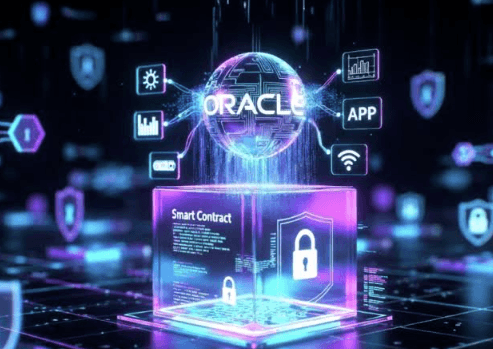
How Blockchain Oracles Connect Real-World Data

How Blockchain Oracles Connect Real-World Data

Blockchain oracles serve as trusted conduits between off-chain data and on-chain smart contracts. They fetch validated inputs from verifiable sources, convert them into tamper-resistant signals, and deliver them with low latency. Architectures vary from centralized to decentralized and hybrid, each…

How Blockchain Nodes Support Cryptocurrency Networks

How Blockchain Nodes Support Cryptocurrency Networks

Blockchain nodes act as distributed validators and custodians of the ledger, ensuring transparent, rule-based consensus. They verify transactions and blocks, propagate validated data, and enforce governance. Types of nodes—full, light, archival—trade off security, speed, and historical completeness. Ongoing costs, proper…

Generative AI vs Traditional AI: What Is the Difference?

Generative AI vs Traditional AI: What Is the Difference?

Generative AI and traditional AI pursue different ends. Generative models produce new data or artifacts, while traditional AI concentrates on tasks like classification or forecasting from existing data. Both rely on data, architectures, and empirical evaluation, yet their objectives shape…

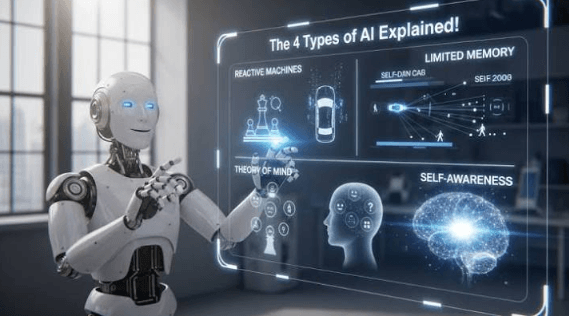
Different Types of Artificial Intelligence Explained

Different Types of Artificial Intelligence Explained

AI comes in distinct forms that reflect capability, scope, and deployment. Narrow AI handles specific tasks, while General AI aims for broad cognition, and Superintelligence would surpass human intellect. Core methods—machine learning, deep learning, and reinforcement learning—drive today’s capabilities through…