

Most of us have dug through a bag for something small. Keys. A charger. A snack. That small frustration is a design problem, and good bag organization and storage can fix it. The right size and the right layout save minutes every day. This article looks at how compartments, capacity, and bag types work together.
Multi Compartment Bag Design
Multi compartment bag design splits one big space into smaller zones. Each zone has a job. A main section holds large items. A front pocket holds frequent grabs. A zipped pocket holds valuables. A side sleeve holds a bottle.
This layout reduces mixing. Wet items stay away from dry ones. Sharp tools stay away from soft clothes. Food stays away from electronics.
The key is balance. A bag with too many pockets can slow you down. Three to five well-placed compartments are enough for most people. Place the ones you use most where your hand naturally reaches.
Duffle Bag Storage Capacity
Duffle bag storage capacity is usually measured in liters. A small duffle holds around 20 to 30 liters, which suits a gym session or a short overnight. A medium one, around 40 to 60 liters, fits a weekend trip. A large one above 80 liters can carry team gear or a longer stay.
Shape affects usable space too. A wide, boxy duffle holds more than a narrow cylinder with the same rating. Soft-sided bags flex to fit, while stiff ones hold their shape better.
Brands that print team logos or event branding often order blank bulk duffle bags, since a simple, roomy shape works for many sizes and uses without changes.
Organizing Everyday Essentials
Organizing everyday essentials starts with a short list. Keys, phone, wallet, and one or two extras make up most people’s core items. Give each a fixed spot and the habit builds fast.
Use small pouches for loose items. A cable pouch, a toiletry pouch, and a snack pouch cut down on clutter. They also make it easy to move items between bags.
Clear out the bag once a week. Receipts, wrappers, and old papers pile up and add weight. A two-minute reset keeps the system working.
Portable Storage Solutions
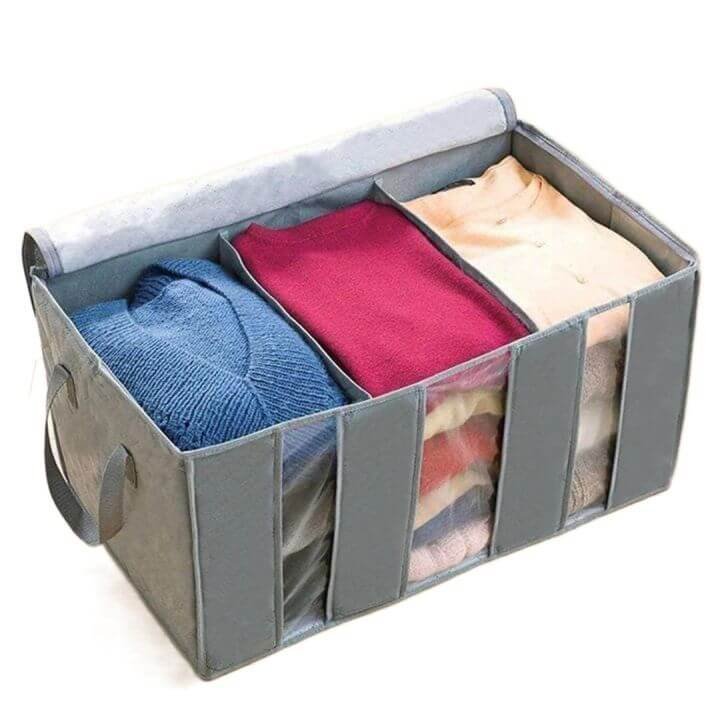
Portable storage solutions go beyond the bag itself. Packing cubes compress clothes and keep them sorted. Zippered pouches hold small tools. Collapsible bins fit inside a duffle and keep supplies in place.
Choose items that match the bag. A cube that is too large wastes space. A pouch that is too small will not hold what you need.
Color helps. Use one color for work items, another for travel, and another for gym gear. You can pull the right pouch without opening each one.
Lunch Bag Storage Features
Lunch bag storage features are smaller but just as thoughtful. Most have one main compartment sized for a container, a drink, and a snack. Many add a front pocket for utensils and napkins. Some include a side mesh pocket for a bottle.
Insulation is common. A foam layer and a foil or PEVA lining help food stay cooler for a few hours. A wipe-clean interior is useful because spills happen.
Size matters here. A bag that is too big lets food slide around. A bag that is too small forces you to squeeze. For daily use, many people prefer a bag that holds a standard container plus a drink with a little room to spare.
For stores serving schools, offices, and job sites, wholesale lunch bags often come in a few sizes so buyers can match different routines.
Choosing Bags by Storage Needs
Choosing bags by storage needs begins with a simple question: what must this bag hold? List the biggest item, the most fragile item, and the item you need most often.
Then pick a bag that fits the biggest item with a bit of space. Check where fragile items will sit. A padded section or a separate pocket protects them. Put the most-used item in an outside or top pocket.
Think about how long you will carry the bag. A heavy duffle is fine for a short walk to a car. For longer trips on foot, weight distribution and straps matter more than the size of the pockets.
Common Mistakes to Avoid
People often buy a bag that is too big. Extra space tempts you to pack more, and the bag gets heavy. Another mistake is ignoring pocket placement. A pocket on the bottom of the bag is hard to reach in a hurry.
Many also forget cleaning. Food crumbs, damp towels, and spills build up. Wipe the interior regularly and air the bag out.
The Takeaway
Good bag organization and storage comes from fit, layout, and habit. Pick a size that matches your load, use compartments for frequent items, and keep small pouches for loose things.
A well-organized bag saves time and stress. It makes busy days feel a bit more manageable, one grab at a time.
